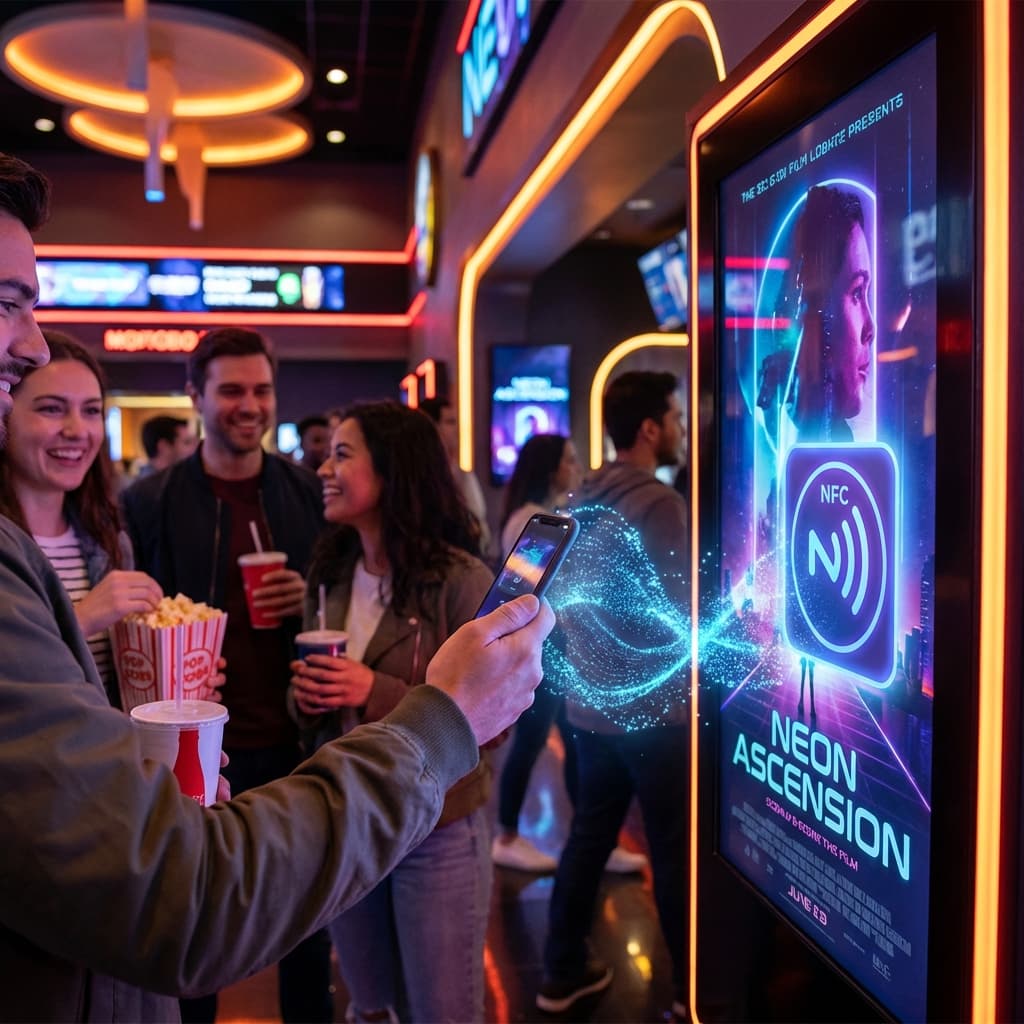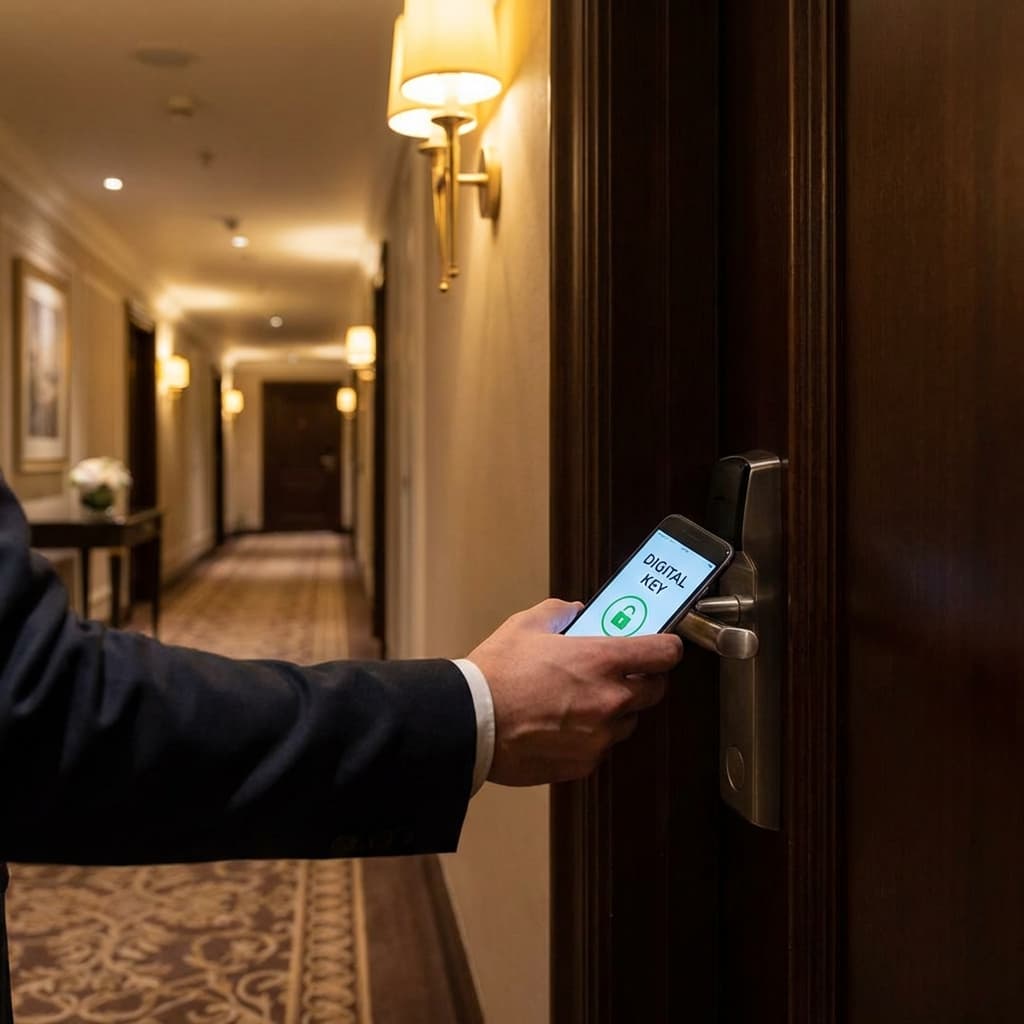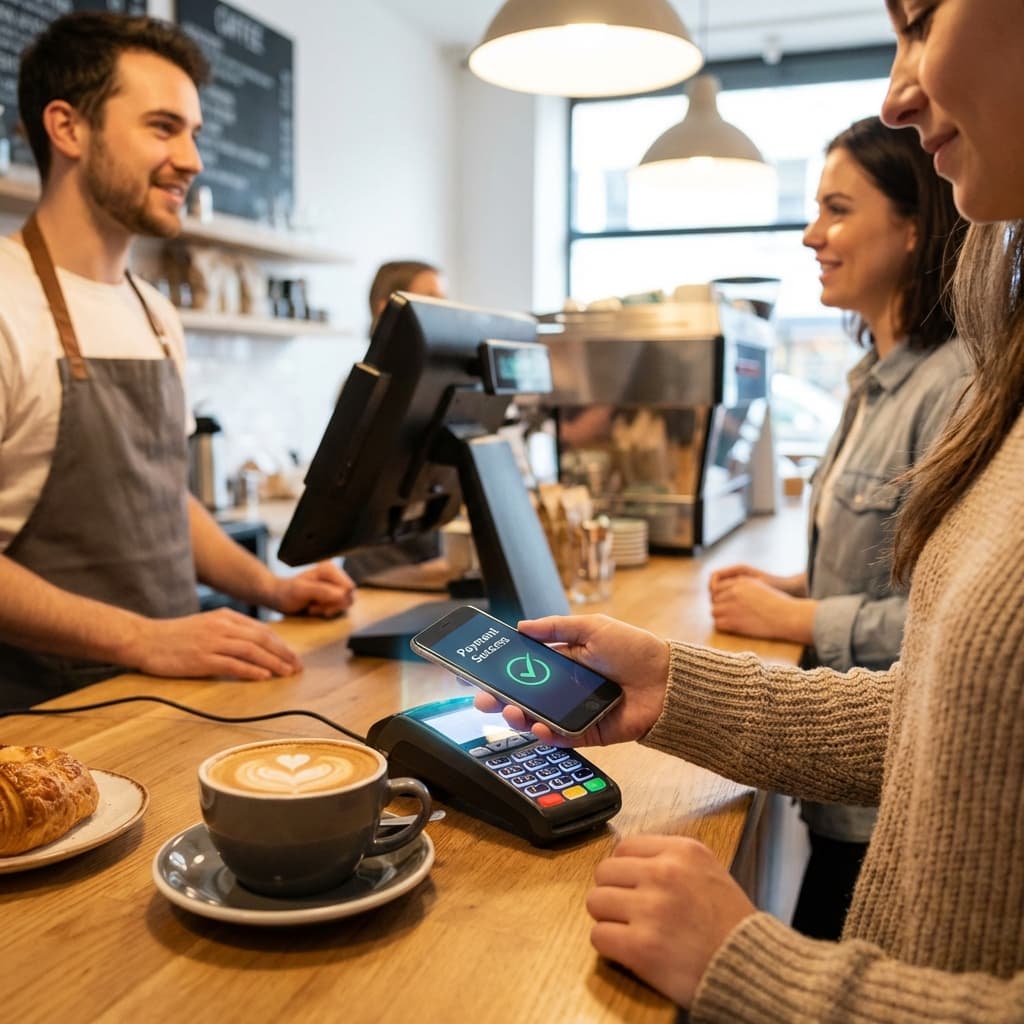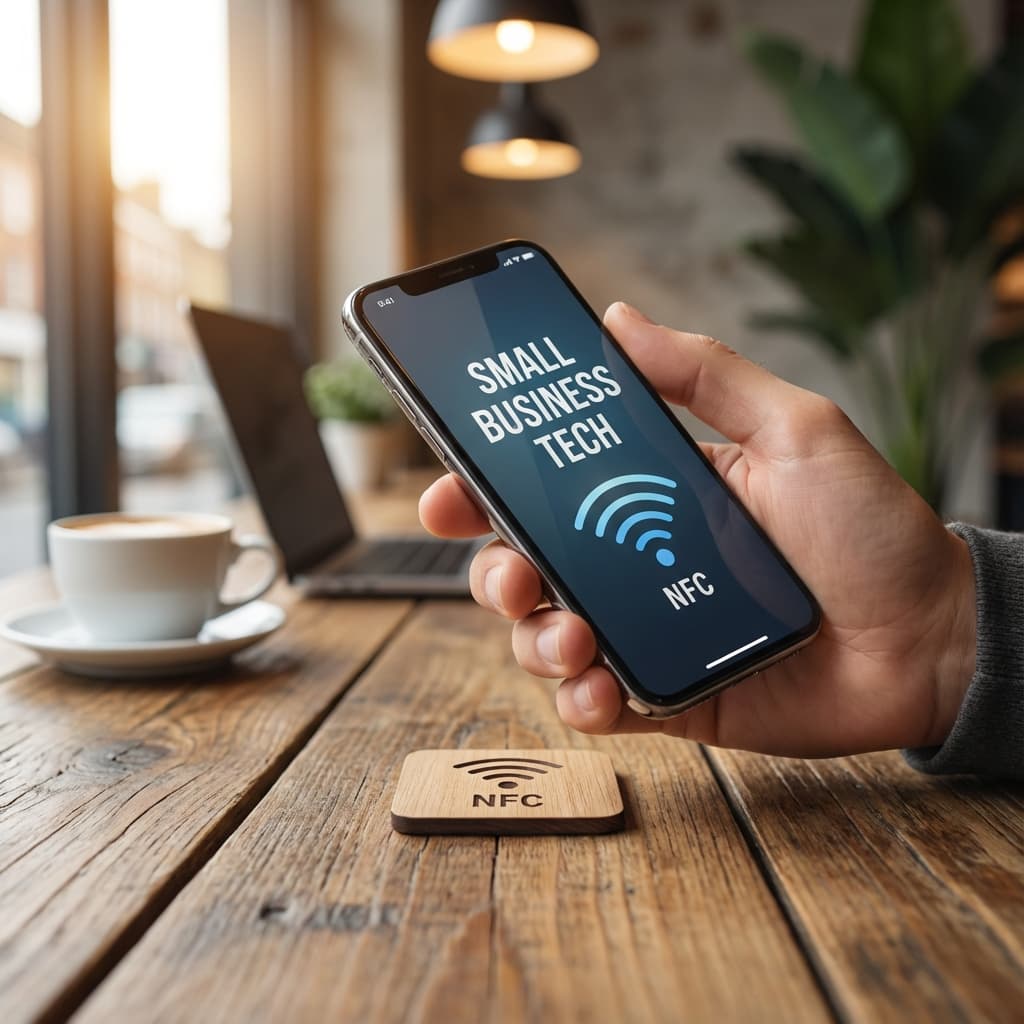
In the rapidly evolving landscape of small business technology, Near Field Communication (NFC) has emerged as a game-changer. Once a novelty reserved for early adopters, it is now a standard expectation for tech-savvy customers. From tapping to pay for a latte to instantly connecting to a guest network, NFC is reducing friction and enhancing customer experiences across the globe.
The statistics speak for themselves: according to recent industry research, over 90% of smartphones sold today are NFC-enabled, and contactless payment adoption has surged by over 150% in the past three years alone. For small businesses, this represents not just a trend, but a fundamental shift in how customers expect to interact with brands.
In this comprehensive guide, we will explore what NFC is, how it works, why it matters for your business, and actionable ways you can leverage this technology to grow your customer base, streamline operations, and create memorable experiences.
What is NFC?
NFC stands for "Near Field Communication". It is a short-range wireless connectivity technology that lets NFC-enabled devices communicate with each other when they are brought within close proximity—typically 4 centimeters or less. It evolved from Radio Frequency Identification (RFID) technology—the same tech used in security keycards and inventory tracking systems—but with significantly enhanced capabilities.
How NFC Works: The Technical Foundation
At its core, NFC operates on the principle of electromagnetic induction. When two NFC-enabled devices come into close proximity, they create a magnetic field that allows data to transfer between them. This happens at 13.56 MHz frequency, which is standardized globally.
There are three modes of NFC operation:
-
Reader/Writer Mode: Your smartphone reads data from a passive NFC tag (like a sticker or card). This is the most common mode for business applications.
-
Peer-to-Peer Mode: Two active NFC devices exchange information with each other. Think of sharing a contact card or photo between two phones.
-
Card Emulation Mode: Your phone acts like a contactless credit card, allowing it to interact with payment terminals. This is what powers Apple Pay, Google Pay, and Samsung Pay.
Unlike Bluetooth, which requires manual pairing, device discovery, and often a PIN code, NFC is instant. The moment devices come into range, they communicate. This immediacy is what makes NFC perfect for quick, frictionless interactions in retail and hospitality environments.
NFC vs. Other Wireless Technologies
Understanding where NFC fits in the wireless technology landscape helps clarify its unique advantages:
NFC vs. Bluetooth:
- Range: NFC works within 4cm; Bluetooth works up to 100m
- Setup: NFC is instant; Bluetooth requires pairing
- Power: NFC tags can be completely passive; Bluetooth requires power
- Use Case: NFC is for quick exchanges; Bluetooth is for sustained connections
NFC vs. QR Codes:
- User Action: NFC requires a tap; QR requires opening camera app and focusing
- Speed: NFC is typically faster
- Reliability: NFC works in any lighting; QR codes can fail in low light or if damaged
- Device Support: QR works on any camera phone; NFC requires NFC chip (though most modern phones have it)
NFC vs. Wi-Fi:
- Purpose: NFC can trigger Wi-Fi connection; they complement each other
- Range: NFC is 4cm; Wi-Fi is 50m+
- Data Transfer: NFC transfers small data packets; Wi-Fi handles large data streams
Why Small Businesses Are Adopting NFC
The adoption of NFC technology among small businesses is accelerating for compelling reasons that go beyond mere trend-following. Here's why forward-thinking business owners are making the switch:
1. The Expectation of Speed
We live in an instant gratification economy. Modern consumers have been conditioned by Amazon Prime, instant streaming, and one-click checkout to expect speed at every touchpoint. In the physical world, this translates to minimal wait times and effortless interactions.
Consider the traditional payment flow: customer finishes meal, waiter brings check, customer hands over card, waiter walks to terminal, processes payment, returns with receipt, customer signs, waiter retrieves receipt. Total time: 5-7 minutes.
With NFC payments: customer taps phone on portable terminal, payment processes in 2 seconds, digital receipt is sent automatically. Total time: 10 seconds.
This isn't just about saving time—it's about perception. A business that respects customers' time is a business they'll return to. When customers don't have to dig for cash, wait for change, or type in complex Wi-Fi passwords, they experience your business as modern, efficient, and customer-centric.
2. Enhanced Security
Security breaches cost small businesses an average of $200,000 per incident according to IBM's Cost of Data Breach Report. For many small businesses, that's an existential threat. NFC technology significantly reduces this risk.
When a customer pays with Apple Pay or Google Pay via NFC, the terminal never sees their actual credit card number. Instead, the transaction uses tokenization—a one-time-use digital token is generated for that specific transaction. Even if a hacker intercepted the data, they'd capture a worthless token, not reusable card credentials.
For Wi-Fi access, NFC eliminates the need for visible, shared passwords that can be photographed, shared online, or exploited by bad actors. The credentials are encrypted within the NFC chip and transferred directly to the connecting device without ever being displayed on screen.
This architecture shifts your business from being a potential vulnerability to being a security-conscious operation that protects customer data by design.
3. Professional Brand Image
First impressions matter enormously in small business. Within seconds of walking into your establishment, customers form judgments about your quality, attention to detail, and professionalism.
A hand-written Wi-Fi password on a napkin or chalkboard sends an unintentional message: "We're making do with what we have." An NFC tag on a branded coaster or table tent signals: "We invest in our customer experience and use modern technology thoughtfully."
This "wow" factor extends beyond aesthetics. When a first-time customer taps their phone and instantly connects to Wi-Fi, they often verbally express surprise and delight. That moment of positive emotion creates a memorable association with your brand—you become "that innovative café" or "that tech-forward boutique" in their mind.
4. Operational Efficiency
Staff time is one of your most valuable resources. Every minute spent explaining the Wi-Fi password, troubleshooting connection issues, or processing manual payments is a minute not spent on higher-value activities like engaging with customers, preparing products, or managing operations.
NFC automation reclaims this time. A coffee shop that serves 200 customers daily might field 50-100 Wi-Fi password requests. At 30 seconds per interaction, that's 25-50 minutes of staff time daily, or 150-300 hours annually. With NFC tags, this drops to zero.
Similarly, contactless payments process faster than card swipes or cash transactions, allowing you to serve more customers during peak periods without adding staff.
5. Data and Analytics Opportunities
Modern NFC solutions, particularly for Wi-Fi access, can integrate with analytics platforms to provide valuable business intelligence. You can track:
- Peak usage times for network access
- Customer dwell time (how long they stay)
- Return visitor patterns
- Geographic data (with permission)
- Device types and demographics
This data allows you to make informed decisions about staffing, inventory, marketing campaigns, and space utilization—turning your NFC implementation into not just a customer convenience tool, but a business intelligence asset.
Top 7 Use Cases for Your Business
1. Contactless Payments
This is the most widespread use case, and for good reason. Contactless payment adoption has exploded globally, driven by pandemic-era preferences for touch-free transactions that have now become permanent consumer behavior.
Implementation Checklist:
- Verify your payment processor supports NFC (most modern processors do)
- Upgrade POS terminals if needed (Square Reader, Stripe Terminal, Clover, Toast all offer NFC)
- Train staff on troubleshooting (ensuring phone is unlocked, trying different position)
- Display clear signage showing accepted payment types (Apple Pay, Google Pay, Samsung Pay, contactless cards)
Cost Considerations: Basic NFC-enabled terminals start around $50-150, with enterprise-grade systems ranging $300-800. Most payment processors offer free or heavily subsidized hardware if you commit to their platform.
ROI Factors:
- Transaction speed increases by 30-50%
- Reduced cash handling errors
- Lower costs (no need to order/manage change)
- Decreased chargebacks (biometric authentication on phones reduces fraud)
2. Instant Wi-Fi Access
This is where services like WifiNFC truly shine. Instead of forcing customers to type CafeGuest_2025! or interrupt staff to ask for the password, you simply place strategically positioned NFC tags throughout your space.
Customer Experience Flow:
- Customer taps phone to NFC tag on coaster, table tent, or wall mount
- "Join Network?" prompt appears automatically on their device
- Customer clicks "Join"
- Connection established in 1-2 seconds
Benefit Analysis:
- For Customers: No typos, no frustration, no awkward shouting of passwords across a busy room
- For Staff: Zero time spent on password requests, no interruptions during busy periods
- For Business: Professional appearance, password security maintained, easy password rotation
Advanced Implementation: Consider creating a captive portal experience that appears after connection, allowing you to:
- Display a welcome message and highlight daily specials
- Collect email addresses (with appropriate consent)
- Showcase social media channels
- Promote upcoming events or loyalty programs
Placement Strategy:
- Tables and counters (primary touchpoints)
- Entrance area (for immediate access)
- Checkout counter (while customers wait)
- Outdoor seating areas (often overlooked)
3. Smart Business Cards
Traditional paper business cards have a 90% failure rate—they're misplaced, thrown away, or the information becomes outdated. NFC-enabled business cards revolutionize networking.
When you tap your NFC business card to a contact's phone, you can instantly transfer:
- Full contact information (name, phone, email, title)
- Links to your website, portfolio, or LinkedIn
- Calendar link to schedule a meeting
- Digital brochures or presentation materials
The recipient doesn't need to manually enter anything or risk transcription errors. Your information flows directly into their contacts app, complete and accurate.
Use Cases by Industry:
- Real estate agents: Include property listings and virtual tour links
- Consultants: Add testimonials and case study PDFs
- Restaurants: Include menu and reservation booking link
- Freelancers: Portfolio link and project intake form
4. Product Information and Authentication
For retail businesses, NFC tags on products or displays can provide instant access to detailed information without cluttering physical packaging or requiring staff explanation.
Applications:
- Wine shops: Tap a bottle to see tasting notes, food pairings, vineyard information
- Boutiques: Access sizing guides, care instructions, styling suggestions
- Electronics stores: View detailed specs, tutorial videos, warranty registration
- Art galleries: Artist biography, piece provenance, similar works
For luxury goods, NFC can also serve authentication purposes. High-end products with embedded NFC chips can prove authenticity when tapped, combating counterfeiting.
5. Marketing and Social Media Growth
Every customer interaction is an opportunity to deepen the relationship. NFC makes it effortless to convert physical presence into digital engagement.
Strategic Placements:
- "Tap to Follow Us on Instagram" near checkout
- "Tap for Today's Menu" on entrance display
- "Tap to Leave a Review" on receipt holder
- "Tap to Join Our VIP List" on promotional displays
The key advantage over QR codes or verbal requests is the lower friction. A tap is nearly unconscious—it requires minimal effort and decision-making. This dramatically increases conversion rates.
Campaign Ideas:
- Limited-time offers that change weekly (update the NFC tag's destination URL remotely)
- Contest entries (tap to enter sweepstakes)
- Event RSVPs (tap to register for in-store events)
- Referral programs (tap to share with friends)
6. Loyalty Program Check-Ins
Traditional punch cards get lost, stamped incorrectly, or counterfeited. App-based loyalty programs face download friction. NFC offers the perfect middle ground.
Customers tap their phone to an NFC tag at checkout, which logs their visit or purchase. No app download required—the tap triggers a web-based interface that tracks their progress.
Benefits:
- No app installation barrier
- No physical cards to lose
- Automatic tracking (no stamp errors)
- Digital rewards delivery
- Customer data collection
- Personalized offers based on visit history
7. Event Check-Ins and Ticketing
If you host events—workshops, tastings, classes, live music—NFC streamlines the check-in process.
Customers receive an NFC-enabled ticket (physical card or phone-based). At the event, they tap their ticket to your reader, which instantly validates and logs their attendance. This eliminates line congestion, prevents ticket fraud, and creates a smooth entry experience.
Getting Started: Implementation Roadmap
Implementing NFC doesn't require a degree in computer science or a massive budget. Here's your step-by-step roadmap:
Phase 1: Assess and Plan (Week 1)
-
Identify Your Primary Use Case: Start with the application that will provide the most immediate value. For most hospitality businesses, that's Wi-Fi access. For retail, it might be contactless payments.
-
Audit Current Infrastructure:
- Do you have guest Wi-Fi? Is it password-protected?
- What payment systems do you currently use?
- What are your biggest customer friction points?
-
Set Success Metrics: Define what success looks like. Examples:
- Reduce Wi-Fi password requests by 90%
- Increase contactless payment adoption to 60% of transactions
- Gain 100 new social media followers through NFC prompts
Phase 2: Acquire Technology (Week 2)
-
For Payments:
- Contact your payment processor (Square, Stripe, Toast, Clover)
- Request NFC-enabled terminals
- Most processors provide free or subsidized hardware with contract
-
For Wi-Fi:
- Purchase pre-programmed NFC tags from providers like WifiNFC
- Options range from basic stickers ($2-5 each) to premium branded cards ($10-15)
- Order extras for testing and future placement
-
For Marketing:
- Buy NFC tags/stickers from specialized vendors (TagsForDroid, GoToTags)
- Download an NFC writing app (NFC Tools for iOS/Android)
- Program tags with destination URLs
Phase 3: Deploy and Test (Week 3)
- Strategic Placement: Position NFC tags where customers naturally look or wait
- Clear Signage: Add small instructional graphics ("Tap here for Wi-Fi")
- Staff Training: Ensure team understands the technology and can assist customers
- Internal Testing: Have staff test all implementations before customer launch
Phase 4: Launch and Iterate (Ongoing)
- Soft Launch: Introduce to regular customers first, gather feedback
- Monitor Usage: Track adoption rates and identify issues
- Gather Feedback: Ask customers about their experience
- Optimize: Adjust placement, signage, or implementation based on real-world usage
Cost Analysis: What to Expect
Many small business owners hesitate to adopt new technology due to cost concerns. Here's a realistic breakdown:
Initial Investment:
- NFC-enabled payment terminal: $50-800 (often free from processor)
- NFC Wi-Fi tags (set of 10): $20-150 depending on quality
- NFC marketing tags (set of 20): $15-50
- Design/branding services: $0-500 (optional)
Total Initial Investment: $85-1,500 (most businesses spend $200-400)
Ongoing Costs:
- Tag replacements: $50-100/year
- NFC management platform (if using hosted solution): $10-30/month
Return on Investment: Consider a café that saves 45 minutes daily of staff time on Wi-Fi password requests. At $15/hour labor cost, that's $11.25 daily or $4,100 annually. The NFC implementation pays for itself in less than two weeks.
Add faster payment processing (serving 5-10 more customers daily during peak), reduced cash handling errors, and improved customer satisfaction leading to higher return rates, and the ROI becomes compelling.
Common Challenges and Solutions
"My customers won't know how to use it"
Solution: NFC is increasingly intuitive as contactless payment adoption grows. Simple instructional signage ("Tap your phone here") is usually sufficient. The action is so quick that even first-time users succeed easily.
"What if someone's phone doesn't support NFC?"
Solution: Maintain a backup method. For Wi-Fi, keep QR codes available. For payments, continue accepting traditional methods. Over 90% of smartphones have NFC, so you'll cover the vast majority of customers.
"How do I change the Wi-Fi password if it's programmed into tags?"
Solution: With professional NFC platforms like WifiNFC, you can often update credentials remotely, or the tags can be reprogrammed. For basic tags, factor replacement into your annual budget (tags are inexpensive).
"Is NFC secure?"
Solution: Yes. NFC's extremely short range (4cm) prevents remote interception. NFC payment data is tokenized and encrypted. For Wi-Fi, credentials are encrypted on the tag and transferred securely.
"Will this work with iPhones?"
Solution: Yes. iPhones from iPhone 7 onward support NFC reading (and newer models support writing). The functionality is built into iOS—no special app needed for basic tag reading.
Future of NFC in Small Business
The NFC landscape continues to evolve rapidly. Here's what's on the horizon:
Expanded OS Integration: Future iOS and Android updates will make NFC even more seamless, with automatic actions based on location and context.
IoT Integration: NFC will increasingly trigger smart home and IoT actions—imagine a restaurant where tapping your table adjusts the overhead lighting or lets you control your booth's music.
Augmented Reality Bridges: NFC tags will serve as anchors for AR experiences, letting customers tap a product to see 3D models or virtual try-ons.
Advanced Analytics: NFC platforms will offer deeper business intelligence, connecting physical interactions with online behavior for comprehensive customer journey mapping.
Sustainability Angle: As businesses seek to reduce paper waste, NFC replaces printed menus, business cards, receipts, and signage—becoming part of environmental responsibility initiatives.
Conclusion
NFC is bridging the physical and digital worlds in ways that were science fiction just a decade ago. By removing friction from everyday interactions, you allow your customers to focus on what matters: enjoying your product and service, not wrestling with passwords or waiting for slow payment processing.
The businesses that will thrive in the next decade are those that respect their customers' time, protect their data, and create effortless experiences. NFC is no longer a "nice-to-have" technology—it's rapidly becoming table stakes for modern customer service.
Start small. Pick one use case. Implement it well. Measure the results. Then expand. Your customers—and your bottom line—will thank you.
Ready to get started? Consider beginning with Wi-Fi access through a platform like WifiNFC. It's low-risk, high-impact, and provides immediate visible value to customers while reducing staff burden. From there, the possibilities are endless.