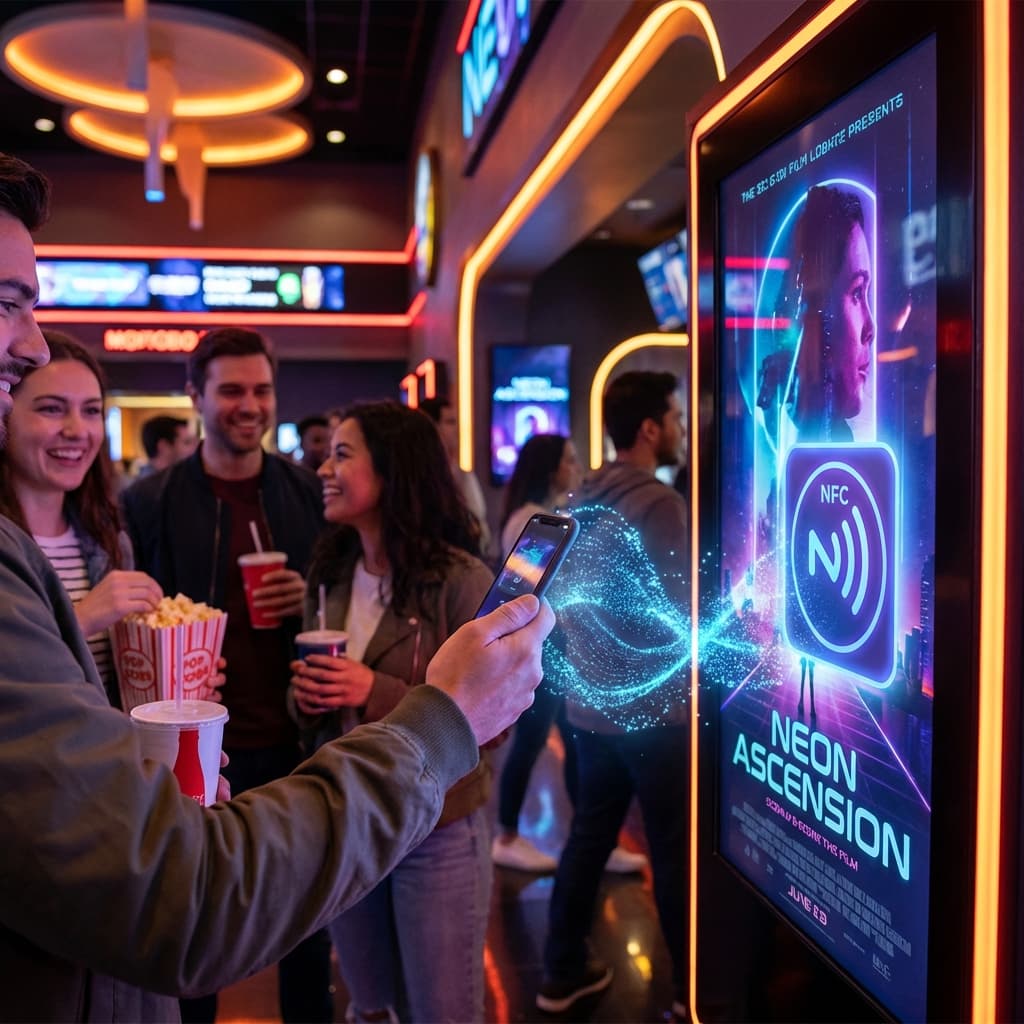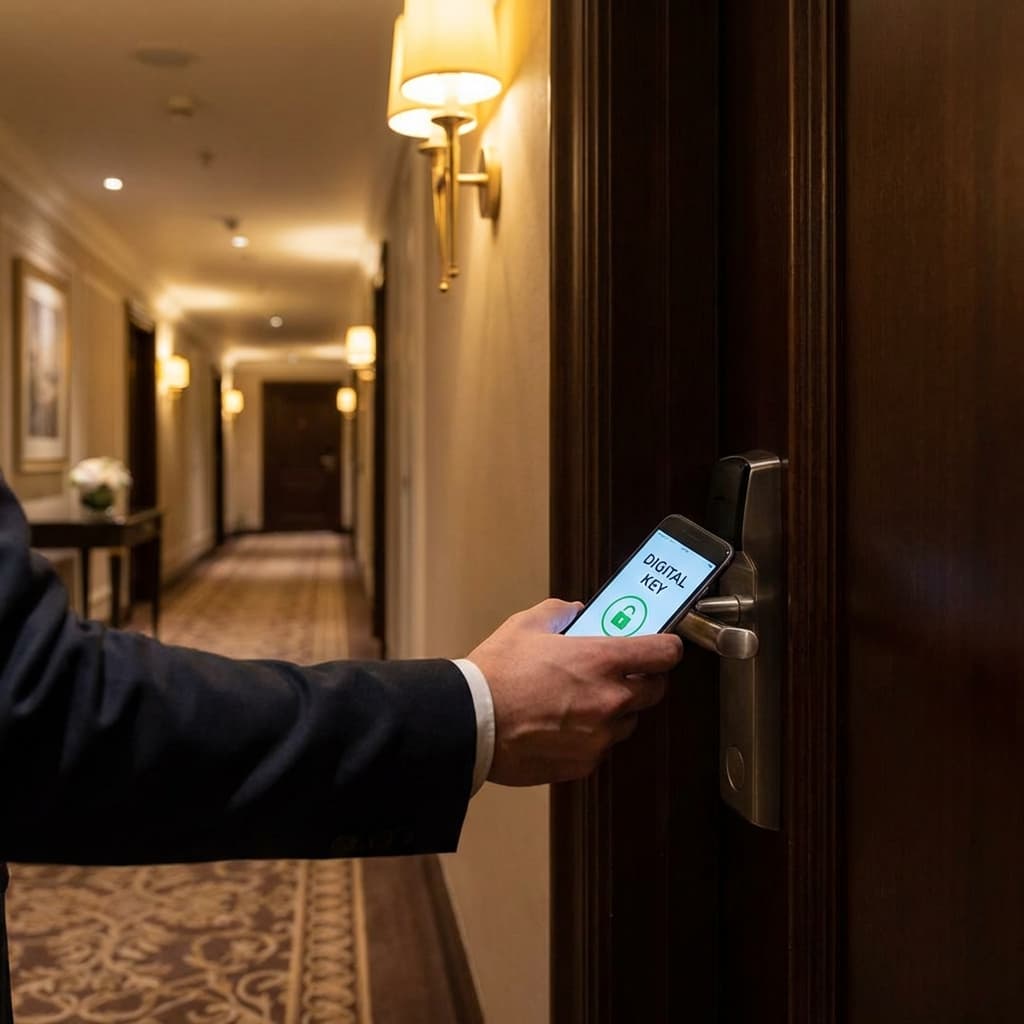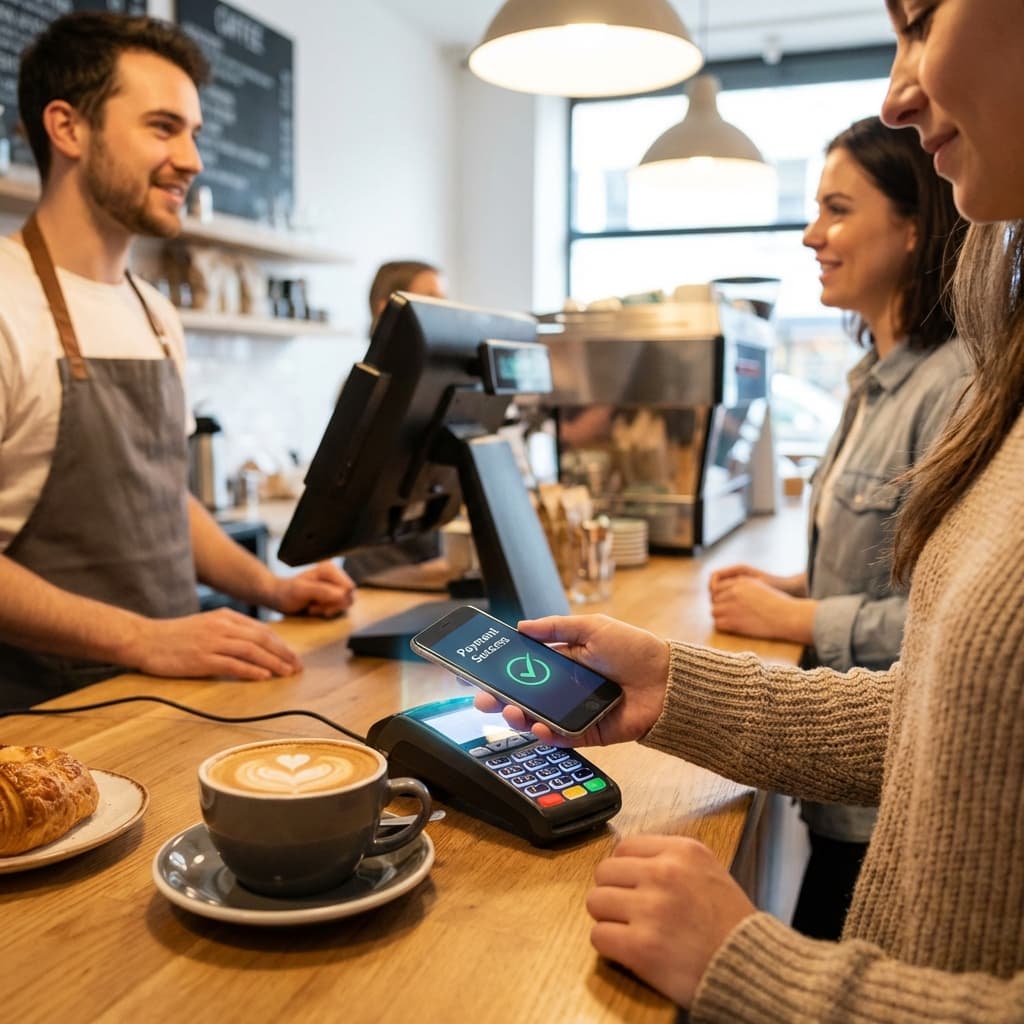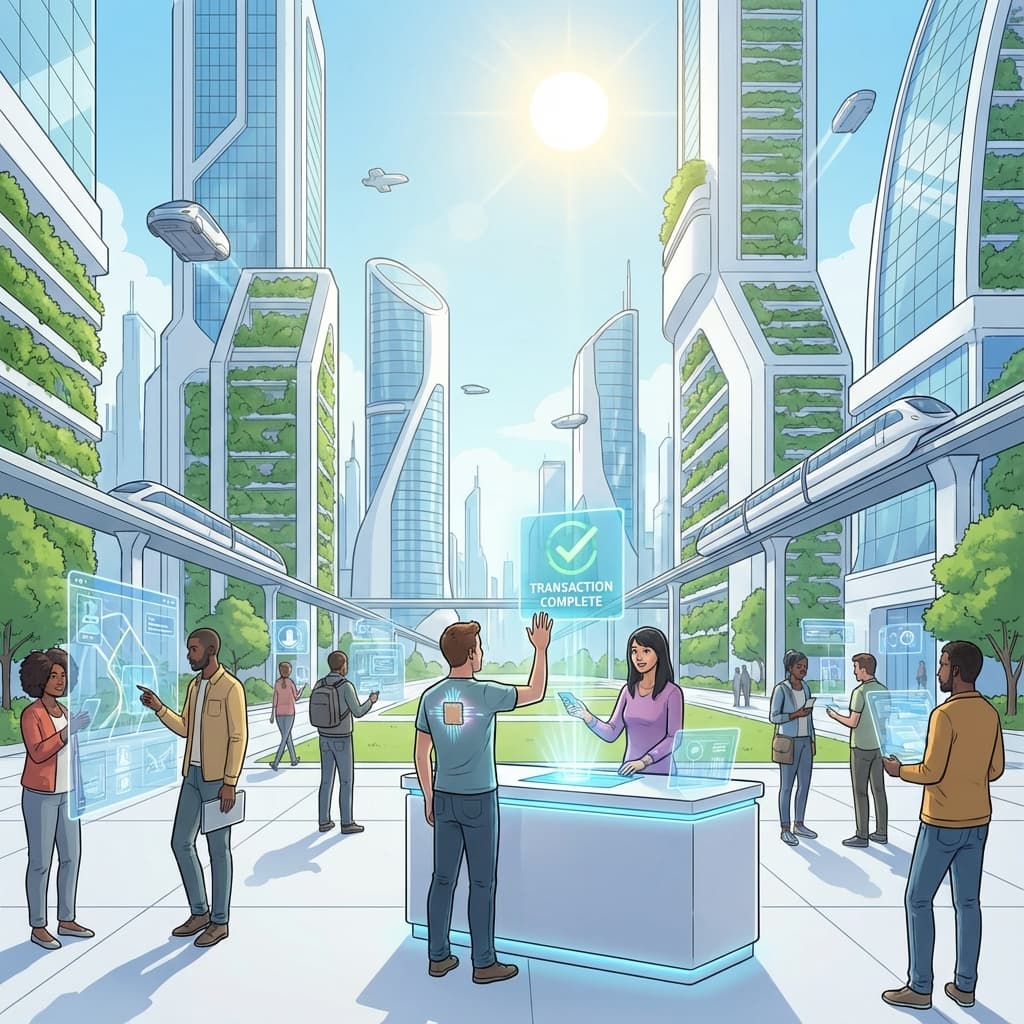
We are currently living in the "Early Majority" phase of contactless technology adoption. Tapping a card or phone is normal. It's no longer remarkable to see someone pay for coffee with their watch, unlock their car with their phone, or share contact information with a tap. These interactions have become woven into the fabric of daily life in ways that would have seemed like science fiction just a decade ago.
But what comes next? As we look toward 2030, the boundaries between the physical and digital world will dissolve even further. The technologies emerging today will fundamentally reshape how we interact with spaces, objects, and each other. This isn't speculation—it's already happening in labs, pilot programs, and early deployments worldwide.
Here is a comprehensive glimpse into the future of contactless technology and what it means for businesses, consumers, and society.
The Evolution of Contactless: Where We Are Now
To understand where we're going, it's essential to recognize how far we've come. The contactless revolution began with RFID security badges in the 1990s, evolved into contactless payment cards in the 2000s, and exploded into mainstream consciousness with smartphone-based systems like Apple Pay in 2014.
Today's landscape includes:
- NFC payments accounting for over 40% of in-person transactions in developed markets
- Contactless transit systems in hundreds of cities worldwide
- Digital wallets with billions of active users globally
- Tap-to-share functionality built into every major smartphone platform
- Vehicle access systems that work via phone proximity
But we're still in the early stages. The technologies on the horizon will make today's contactless interactions seem primitive by comparison.
1. Ultra-Wideband (UWB): The Spatial Internet
While NFC requires a close tap (typically 4cm or less), Ultra-Wideband (UWB) technology allows for precise location tracking and secure data transfer over short to medium distances—up to 10 meters—with centimeter-level accuracy.
What Makes UWB Revolutionary
UWB operates differently than NFC, Bluetooth, or Wi-Fi. It uses extremely short radio pulses across a wide frequency spectrum, allowing it to determine not just that a device is nearby, but exactly where it is in three-dimensional space with remarkable precision.
This spatial awareness creates entirely new interaction paradigms:
Automotive Applications: Your car doesn't just unlock when you're near—it knows whether you're approaching the driver's door or trunk and responds accordingly. BMW, Audi, and Tesla are already deploying UWB vehicle access. As you walk toward your car with your phone in your pocket, the vehicle:
- Unlocks automatically when you're 2 meters away
- Adjusts the driver's seat and mirrors to your profile
- Pre-conditions the climate control based on weather
- Displays a personalized greeting on the dashboard
Retail Revolution: Imagine walking through a grocery store with a shopping list on your phone. UWB-enabled shelf tags communicate with your device, creating visual navigation cues on your screen showing exactly where items are located—not just the aisle, but the specific shelf position.
Progressive retailers are piloting systems where:
- Products highlight themselves as you approach based on your list or preferences
- Price comparisons happen automatically as you pick up items
- Checkout is completely automatic—you simply walk out with your items and get charged automatically
- Promotional offers activate based on your precise location in the store
Smart Home Evolution: UWB transforms home automation from voice commands and app taps to ambient intelligence. Your smart home knows which room you're in and responds accordingly:
- Lights turn on as you approach a room and off as you leave
- Music follows you from room to room seamlessly
- Temperature adjusts based on occupancy patterns
- Security systems automatically disarm as you approach the door
Business Implications
For businesses, UWB opens remarkable opportunities:
Hospitality: Hotels can create truly seamless check-in experiences. Guests receive a digital key upon mobile check-in. As they approach the property, the system:
- Confirms their arrival and prepares their room
- Directs them to their floor via visual wayfinding on their phone
- Unlocks the elevator to their floor without button pressing
- Unlocks their room door as they approach
- Remembers preferences for lighting, temperature, and entertainment
Events and Conferences: UWB-enabled badges transform event experiences:
- Automatic check-in as attendees enter venues
- Real-time heatmaps showing crowd density for flow management
- Targeted notifications when near relevant exhibitors
- Automated networking—your badge alerts you when someone with matching interests is nearby
- Post-event analytics on attendee behavior and engagement patterns
Healthcare: Hospitals and clinics are deploying UWB for:
- Asset tracking (never lose critical equipment)
- Patient flow optimization
- Staff safety (panic buttons with precise location)
- Automated access control to restricted areas
- Contact tracing for infection control
2. Biometric Payments: You Are the Wallet
The evolution of payment technology has been a journey of reducing friction: from cash to cards, from swipe to chip, from insert to tap. The next frontier eliminates the payment instrument entirely.
Palm Vein Recognition: Amazon One
Amazon's palm-scanning payment system represents a significant leap forward. Unlike fingerprints, which can be replicated, palm vein patterns are internal biometric identifiers that are nearly impossible to forge.
How It Works: When you hover your palm over an Amazon One scanner:
- Near-infrared light illuminates your palm
- Hemoglobin in your blood absorbs the light
- Cameras capture your unique vein pattern
- This pattern is converted to a numerical signature
- The signature is matched against your enrolled profile
- Payment processes in less than one second
Where It's Deployed:
- Amazon Go and Whole Foods stores
- Sports stadiums and concert venues
- Airport retailers
- Corporate cafeterias
- Fitness centers
Privacy Considerations: Amazon stores the vein signature as encrypted data in secure cloud infrastructure—your actual palm scan isn't stored. The system doesn't require you to carry a device, remember a PIN, or maintain physical cards.
Facial Recognition Payments
While more controversial due to privacy concerns, facial recognition payment systems are expanding globally, particularly in Asia.
Alipay's "Smile to Pay": Deployed at thousands of Chinese retailers, customers simply look at a point-of-sale terminal. Facial recognition confirms identity, and payment processes automatically. The system uses:
- 3D facial mapping to prevent photo spoofing
- Liveness detection to ensure a real person is present
- Encrypted biometric templates stored on secure servers
Transit Applications: Major metro systems are implementing "face-as-ticket" systems:
- Moscow Metro processes over 5 million facial recognition entries monthly
- Singapore's Land Transport Authority is piloting face-based ticketing
- Dubai Metro is deploying biometric gates
For Businesses: The implications are significant. Checkout lines could become obsolete. Customers browse, select items, and simply walk out—their face serves as payment authorization. Retailers like Walmart and Kroger are testing these systems in pilot locations.
Voice-Authorized Payments
Amazon Alexa and Google Assistant already support voice purchasing, but the next generation will use voice biometrics—analyzing the unique characteristics of your vocal patterns to authorize transactions securely.
Implementation: "Alexa, order more coffee" becomes not just a command but a biometrically authenticated transaction. The system analyzes:
- Voice frequency and pitch patterns
- Speech cadence and rhythm
- Pronunciation characteristics
- Acoustic environment (detecting potential spoofing)
The Digital Identity Wallet: Beyond Payments
States and countries are rolling out Mobile Driver's Licenses (mDL) and digital identity frameworks that will fundamentally change what we carry.
Current Deployments:
- Arizona, Colorado, Louisiana, Maryland, and Georgia have active mDL programs
- The EU Digital Identity Wallet framework covers all 27 member states
- Australia's Digital Identity system connects government and private services
- Singapore's SingPass serves as a unified digital identity
The 2030 Vision: You leave your house with only your smartphone (or soon, just your smartwatch or AR glasses). Your entire wallet is digitized and tokenized in the device's secure element:
- Driver's license and vehicle registration
- Credit and debit cards
- Health insurance cards
- Loyalty program memberships
- Hotel and airline status credentials
- Building access badges
- Event tickets and boarding passes
- Educational credentials and certifications
- Vaccination records and medical history (with consent)
Interoperability: The key challenge—and opportunity—is creating interoperable systems. International standards bodies are working on frameworks that would allow a digital ID issued in Germany to be accepted at a car rental counter in Japan, with appropriate privacy controls and data minimization.
3. Interactive "Smart" Objects: The Internet of Things Matures
The Internet of Things (IoT) has long promised a world of connected devices, but costs and complexity have limited adoption. That's changing rapidly as NFC chips become cheaper (now under $0.10 in bulk) and standardization improves.
Smart Packaging Revolution
Consumer packaged goods are being transformed by embedded intelligence:
Food and Beverage: NFC-enabled packaging creates direct brand-to-consumer communication channels:
Milk Cartons:
- Tap to check exact expiration date and storage temperature history
- Receive recipes using milk as an ingredient
- Reorder automatically when running low
- Track product journey from farm to fridge for transparency
Wine and Spirits:
- Verify authenticity (critical for high-end bottles)
- Access pairing suggestions and serving temperatures
- Watch virtual sommelier videos
- Join exclusive brand communities
- Receive notifications about related products or vintages
Medication and Supplements:
- Confirm you're taking the correct medication and dosage
- Receive reminders for next doses
- Track adherence for chronic condition management
- Access detailed drug interaction information
- Report adverse effects directly to manufacturers
- Automatic refill ordering when supply is low
Electronics and Appliances: Product manuals are being replaced by tap-accessible digital experiences:
- Video setup guides appear when you tap your new device
- Warranty registration happens automatically
- Troubleshooting chatbots activate when you report issues
- Software updates notify you directly
- Trade-in and recycling programs activate at end-of-life
Fashion and Apparel: Luxury brands are embedding NFC in clothing and accessories for:
- Authentication and counterfeit prevention (critical for brands like Gucci, Louis Vuitton)
- Care instructions and cleaning recommendations
- Styling suggestions and outfit inspiration
- Resale value tracking for secondhand marketplaces
- Brand storytelling (meet the designer, see the production process)
Circular Economy Enablement
Smart packaging is becoming essential for sustainability initiatives:
Recycling Optimization: Tap a package to learn exactly how to recycle it in your specific municipality. Some systems automatically identify recyclable components and guide you through disassembly.
Take-Back Programs: Consumer electronics and batteries embedded with NFC can trigger manufacturer take-back programs, with pre-paid shipping labels generated via tap.
Product Passports: The EU's Digital Product Passport initiative will require certain products to carry digital records of their materials, manufacturing process, and end-of-life instructions—all accessible via NFC.
4. Ambient Computing: Technology That Disappears
The ultimate goal of user interface design is to disappear entirely. Ambient computing represents a world where technology fades into the background, responding to context and need without explicit commands.
Contextual Awareness
Instead of "using a computer," your environment simply responds to your presence and needs:
Smart Spaces: When you enter a room, the environment adjusts automatically based on your tokenized profile:
- Lighting adjusts to your preferred brightness and color temperature
- Temperature sets to your comfort zone
- Music begins playing from your preferred streaming service
- Displays show your calendar and relevant notifications
- Coffee starts brewing if it's your typical morning routine time
Workplace Applications: Modern offices are deploying ambient intelligence:
- Hot desks configure themselves when you approach (monitor height, keyboard layout, desk elevation)
- Conference rooms detect meeting participants and automatically launch video calls with remote attendees
- Printers recognize you and release your print jobs without manual authentication
- Environmental controls optimize for occupancy patterns, saving energy
Retail Personalization: Stores know not just that you've entered, but who you are (with consent) and what you're likely interested in:
- Digital signage displays products relevant to your purchase history
- Sales associates receive discreet notifications about your preferences
- Dressing rooms adjust lighting based on what you're trying on
- Checkout happens automatically as you exit (à la Amazon Go)
Predictive Interactions
Systems don't just respond to explicit requests—they anticipate needs:
Healthcare: Wearable devices continuously monitor biometric data and predict health events:
- Diabetic insulin pumps that adjust dosing before blood sugar spikes
- Cardiac monitors that detect arrhythmias before symptoms appear
- Fall detection that automatically contacts emergency services
- Medication adherence systems that prompt you before missed doses
Transportation: Your car doesn't wait for commands:
- Pre-heats or cools based on weather forecasts and your departure patterns
- Suggests departure times based on calendar and traffic predictions
- Automatically routes you via preferred paths (scenic vs. fastest)
- Schedules service appointments when sensors detect maintenance needs
Voice and Gesture Interfaces
The next generation of ambient computing moves beyond touch screens to natural interactions:
Voice Evolution: Not just command recognition, but conversational AI that understands context, emotion, and intent:
- "I'm running late" automatically sends messages to affected parties and adjusts your schedule
- "I'm stressed" might trigger calming lighting, play relaxing music, and suggest breathing exercises
- "I'm hungry" considers your dietary restrictions, fridge inventory, and nearby options
Gesture Control: Computer vision systems interpret hand movements and body language:
- Control smart home devices with pointing gestures
- Navigate digital interfaces with hand waves
- Authorize payments with facial expressions
- Adjust car controls with head movements while driving
5. The Convergence: Cross-Technology Integration
The most powerful developments won't come from individual technologies, but from their integration:
UWB + NFC Hybrid Systems
Combining UWB's spatial awareness with NFC's secure data transfer creates powerful capabilities:
- Your phone detects when you're approaching a locked door (UWB) and prepares your access credential for secure transfer (NFC)
- Retail systems track your location (UWB) and deliver relevant offers exactly when you tap a product shelf tag (NFC)
- Event systems know you're in the venue (UWB) and enable fast transactions via tap (NFC)
Biometrics + Blockchain
Secure, verifiable digital identity systems that are both private and portable:
- Your biometric signature authorizes transactions
- Blockchain creates an immutable audit trail
- Zero-knowledge proofs allow age verification without revealing your actual birthdate
- Credentials are portable across borders and platforms
AI + Ambient Sensors
Machine learning systems analyzing environmental data to optimize experiences:
- Retail layouts redesigned based on how customers actually move through spaces
- Office climate systems that learn individual preferences and predict optimal settings
- Healthcare systems that detect patterns in biometric data invisible to humans
Challenges and Considerations
This future isn't without significant hurdles:
Privacy Concerns
As technology becomes more invasive and pervasive, privacy protections must evolve:
- Data minimization: Systems should collect only necessary information
- User control: Individuals must have granular control over data sharing
- Transparency: Clear disclosure of what's being tracked and why
- Right to deletion: Ability to remove your data from systems
Regulatory frameworks like GDPR in Europe and CCPA in California are establishing baselines, but enforcement and global harmonization remain challenges.
Security Vulnerabilities
Every connected device is a potential attack vector:
- Endpoint security: Ensuring billions of IoT devices have robust security
- Network security: Protecting the communication channels between devices
- Authentication: Preventing unauthorized access to biometric systems
- Update mechanisms: Patching vulnerabilities in deployed devices
Digital Divide
Advanced contactless technologies risk creating new forms of inequality:
- Device access: Not everyone can afford NFC-enabled smartphones
- Digital literacy: Older adults may struggle with rapid technology changes
- Infrastructure gaps: Rural areas may lack necessary connectivity
- Accessibility: Systems must work for people with disabilities
Interoperability
The promise of seamless experiences requires standardization:
- Competing standards: Apple's proprietary systems vs. open Android platforms
- Regional variations: Different regulations and technical requirements across markets
- Legacy systems: Integrating with older infrastructure
- Vendor lock-in: Avoiding dependence on single technology providers
Preparing for the Future: What Businesses Should Do Now
While some of these technologies are 5-10 years from mainstream adoption, businesses should begin preparing:
1. Build Digital Foundations
Ensure your basic technology infrastructure is solid:
- Accept contactless payments (if you don't already)
- Implement guest Wi-Fi with modern security
- Develop a mobile-first customer experience
- Build customer data platforms with consent management
2. Experiment with Emerging Tech
Start small-scale pilots to understand new technologies:
- Deploy NFC tags for product information
- Test UWB for indoor navigation at events
- Implement biometric authentication for loyalty programs
- Explore voice interfaces for customer service
3. Prioritize Privacy and Security
Build trust through responsible data practices:
- Implement privacy-by-design principles
- Conduct regular security audits
- Train staff on data protection
- Be transparent about data collection and use
4. Design for Accessibility
Ensure new technologies work for everyone:
- Provide alternative interaction methods
- Test with diverse user groups
- Follow WCAG accessibility guidelines
- Offer human alternatives to automated systems
5. Stay Informed
Technology evolution accelerates constantly:
- Follow industry publications and standards bodies
- Attend trade shows and conferences
- Join industry associations
- Build relationships with technology vendors
The Timeline: What to Expect When
2025-2026 (Now to Next Year):
- UWB becomes standard in premium smartphones
- Biometric payment adoption expands beyond early adopters
- Digital ID pilots become operational in more states/countries
- Smart packaging reaches mainstream consumer goods
2027-2028:
- UWB-based spatial experiences become common in retail and hospitality
- Face-based payment systems gain acceptance in Western markets
- Digital wallets largely replace physical cards for most consumers
- Ambient computing features deploy in commercial buildings
2029-2030:
- Full digital identity systems operational across most developed nations
- The majority of consumer packaging includes interactive NFC
- Ambient computing becomes expected in residential construction
- Cross-technology integration creates truly seamless experiences
Conclusion: Embracing the Frictionless Future
The future of contactless technology is frictionless. Every barrier to interaction, every moment of unnecessary waiting, every manual authentication step—all are being systematically eliminated.
For consumers, this means unprecedented convenience and personalization. For businesses, it represents both opportunity and necessity. The companies that thrive will be those that:
- Adopt new technologies thoughtfully, not just for novelty but to solve real problems
- Prioritize customer privacy and security as competitive advantages
- Design experiences that work for all customers, not just the technologically sophisticated
- Stay flexible and adaptive as technologies evolve
The most important insight is this: the magic isn't in the technology itself, but in making the technology disappear. When customers no longer think about the mechanics of payment, access, or information retrieval—when these things just happen seamlessly—that's when you know you've successfully implemented the future.
The businesses that understand this principle will lead their industries. Those that resist will find themselves increasingly irrelevant in a world where customers expect magic, not manual labor.
The future is arriving faster than most realize. The question isn't whether to adapt, but how quickly you can transform your operations to meet the rising expectations of a contactless world. Start now, start small, but start deliberately. The payoff—in customer satisfaction, operational efficiency, and competitive positioning—will be transformative.