A customer walks out of your store with your product. Transaction complete, relationship over—until they need to buy again. This is the traditional retail model: packaging is simply a container that protects the product from warehouse to home, then gets thrown away.
But what if your packaging could do more? What if that box, bottle, or bag could continue communicating with your customer long after they leave your store? What if it could verify authenticity, teach proper usage, collect feedback, encourage repurchase, and build brand loyalty—all from a simple smartphone tap?
This is the promise of smart packaging: transforming passive containers into active communication channels through embedded NFC (Near Field Communication) technology. The physical product becomes a bridge to digital engagement, creating what marketers call a "phygital" experience—physical meets digital.
The Evolution of Packaging: From Container to Communicator
To understand smart packaging's revolutionary potential, let's trace how packaging has evolved.
Stage 1: Protection (Pre-1900s)
Early packaging had one job: protect the product. Barrels, sacks, crates, and simple wrapping kept goods safe during transport and storage. Branding was minimal or nonexistent.
Stage 2: Branding and Information (1900s-1980s)
The rise of consumer goods created need for differentiation. Packaging became a billboard:
- Brand names and logos
- Product descriptions
- Ingredient lists and nutritional information
- Legal disclaimers
Packaging was now marketing material, but still one-way communication.
Stage 3: Barcodes and Tracking (1980s-2000s)
Barcodes revolutionized retail logistics. Packaging could now be scanned for:
- Inventory management
- Point-of-sale transactions
- Supply chain tracking
But this served businesses, not consumers. The customer experience remained unchanged.
Stage 4: QR Codes and Early Digital (2000s-2010s)
QR codes allowed packaging to link to digital content. Scan the code, visit a website. But adoption was limited:
- Required a separate QR scanner app (early smartphones)
- Clunky user experience
- Low consumer engagement
- Brands didn't invest heavily in the destination content
QR codes showed promise but failed to deliver transformative engagement.
Stage 5: Smart Packaging with NFC (2010s-Present)
NFC technology changes everything:
- No app required: Modern smartphones read NFC natively
- Instant interaction: Tap takes 1-2 seconds vs. 10+ seconds to scan QR code
- Rich data exchange: NFC can trigger complex actions (not just web links)
- Security: Encrypted communication enables authentication
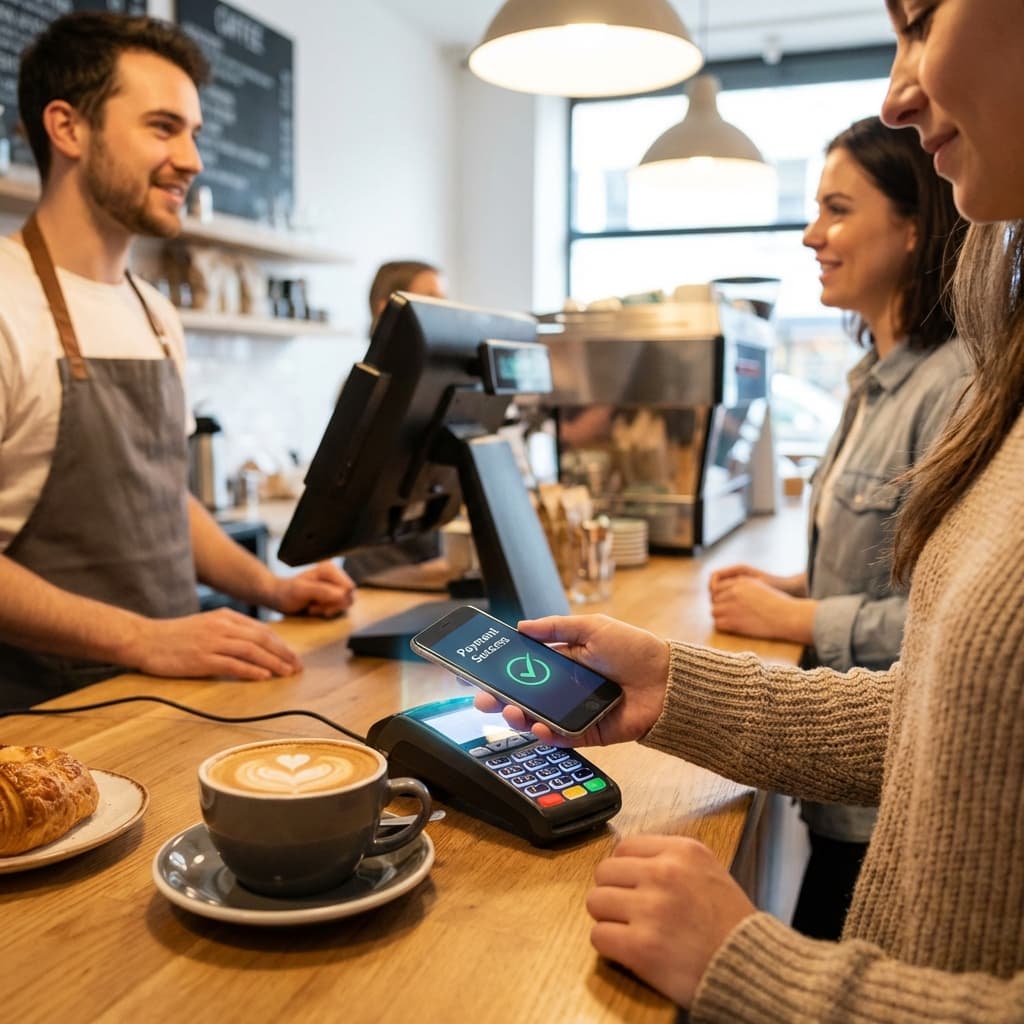
- Consumer readiness: Widespread contactless payment adoption trained users to tap their phones
Smart packaging represents packaging's evolution from static object to interactive platform.
How Smart Packaging Works: The Technology
NFC technology is simple in concept, sophisticated in execution.
The Basic Components
1. NFC Tag (Physical) A tiny chip embedded in or printed on packaging. These cost $0.05-$0.50 per tag depending on:
- Memory capacity (64 bytes to 8KB)
- Form factor (label sticker, embedded chip, printed circuit)
- Durability requirements (water resistance, temperature tolerance)
- Security features (encryption, read-only vs. rewritable)
2. NFC Reader (Smartphone) Modern smartphones contain NFC readers:
- iPhone 7 and later (iOS 11+ for background reading)
- Most Android phones released after 2015
- Estimated 2+ billion NFC-capable phones globally
3. Cloud Backend (Digital Infrastructure) When a tag is tapped, it typically redirects to a URL hosted on your servers. This allows:
- Dynamic content (same tag can show different content over time)
- Analytics (track when, where, and how often tags are tapped)
- Personalization (content adapts based on user history or location)
- Content updates (change videos, offers, or information without reprinting packaging)
The User Experience
Traditional product interaction:
- Buy product
- Open packaging
- Read printed instructions (maybe)
- Throw away packaging
- Forget brand until next purchase
Smart packaging interaction:
- Buy product
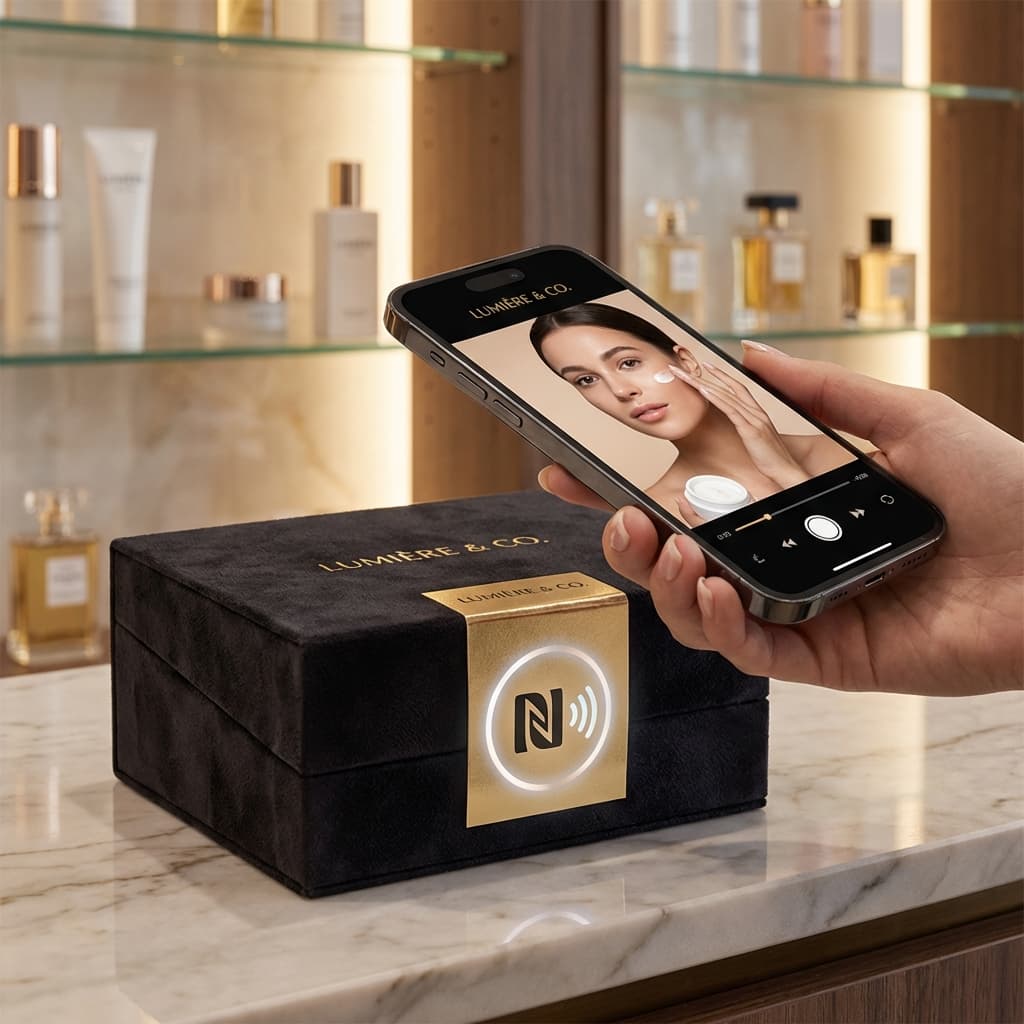
- Tap phone on packaging
- Instantly access digital content (videos, tutorials, offers, etc.)
- Ongoing engagement through saved content or app download
- Brand stays top-of-mind through continued digital relationship
The tap takes 2-3 seconds. The engagement lasts months or years.
Use Cases: What Smart Packaging Enables
The applications span industries and objectives.
1. Product Authenticity Verification (Anti-Counterfeiting)
Counterfeiting costs legitimate businesses over $500 billion annually. Luxury goods, pharmaceuticals, electronics, and premium consumables are especially vulnerable.
The Problem: Traditional anti-counterfeiting measures (holograms, serial numbers, special inks) can be replicated by sophisticated counterfeiters.
The Smart Packaging Solution: Each product receives a unique, encrypted NFC tag. When tapped:
- The tag communicates with a secure backend database
- Authentication confirms the product is genuine
- Customer receives verification confirmation
- Backend logs the verification (helps identify where counterfeits appear)
Advanced Implementations:
- One-Time Verification: First tap verifies authenticity. Subsequent taps show "This product was first verified on [date] in [location]"—warning sign if you're buying "new" product that was already verified elsewhere.
- Blockchain Integration: Record every verification on an immutable blockchain ledger, creating unbreakable chain of custody.
- Tamper Detection: NFC tags can be designed to break when packaging is opened, proving first-owner status.
Industries Using This:
- Luxury Fashion: Brands like Moncler and Prada embed NFC tags in garments to combat fakes
- Pharmaceuticals: Ensuring medication safety, especially critical for high-value drugs
- Collectibles: Authentication for limited-edition sneakers, watches, handbags
- Wine and Spirits: Preventing counterfeit premium alcohol
Business Impact:
- Protects brand reputation
- Prevents revenue loss to counterfeiters
- Builds consumer trust
- Provides data on counterfeit distribution patterns
2. Interactive Product Tutorials and Support
Paper instruction manuals are limited:
- Small text that's hard to read
- Static images that may not clearly show assembly or usage
- Available in limited languages
- Easy to lose
- Cannot be updated if product features change
The Smart Packaging Solution: Tap the package to access:
- Video Tutorials: Step-by-step assembly or usage instructions
- AR Experiences: Point phone camera at product to see augmented reality overlays showing features
- Troubleshooting Guides: Interactive help for common issues
- Customer Support: Direct links to chat, phone, or email support
- Multi-Language Content: Automatically detect user language and serve appropriate content
Real-World Example: A furniture company embeds NFC tags in flat-pack furniture boxes. Customers tap to watch assembly videos showing exactly how pieces fit together—vastly clearer than printed diagrams. Result: 40% reduction in customer support calls and significantly fewer returns due to "difficult assembly."
Industries Benefiting:
- Consumer Electronics: Setup guides for smart devices, routers, appliances
- Furniture: Assembly instructions for IKEA-style products
- Cosmetics: Application tutorials for makeup and skincare products
- Appliances: Operating instructions, maintenance reminders, recipe ideas (for kitchen appliances)
- Toys: Assembly instructions, gameplay tutorials, safety information
Business Impact:
- Reduced customer support costs
- Lower return rates
- Improved customer satisfaction
- Extends relationship beyond purchase moment
- Enables product education that drives better product usage
3. Loyalty Programs and Repeat Purchase Incentives
Traditional loyalty programs require:
- Signing up (friction)
- Carrying a physical loyalty card (forgotten)
- Remembering to present card at purchase (inconsistent)
- Manual point tracking
The Smart Packaging Solution: Embed NFC tag in packaging with unique product ID. After purchase:
- Customer taps package at home
- System automatically credits their account with loyalty points or rewards
- No need to remember to scan at checkout
- Can be done anytime post-purchase (not just at point of sale)
Advanced Applications:
- Proof of Purchase Rewards: Tap package to automatically register product for warranty, earn points, or unlock exclusive content
- Reorder Prompts: Based on typical product usage rates, send repurchase reminders at optimal timing
- Subscription Offers: Convert one-time buyers to subscribers with special offers delivered via package tap
- Exclusive Content: Unlock premium recipes, tips, or insider content only available to purchasers
Real-World Example: A coffee company embeds NFC tags in bags. Customers tap when they open a new bag:
- Earn loyalty points automatically
- Receive brewing tips specific to that roast
- Get notification when they're due for a reorder (based on average consumption)
- Special offer: Subscribe and save 15%
Result: 22% increase in repeat purchase rate, 18% growth in subscription conversions.
Business Impact:
- Increases customer lifetime value
- Reduces churn
- Drives subscription revenue
- Provides consumption data (how quickly customers use products)
- Creates direct communication channel outside of retail intermediaries
4. Ingredient Transparency and Supply Chain Traceability
Modern consumers demand transparency:
- Where ingredients come from
- How products are made
- Environmental impact
- Ethical sourcing verification
Printing all this information on packaging is impractical. Smart packaging solves this.
The Smart Packaging Solution: Tap to access:
- Origin Stories: Maps showing where ingredients were sourced
- Farmer Profiles: Meet the farmers who grew your coffee, chocolate, or produce
- Sustainability Metrics: Carbon footprint, water usage, packaging recyclability
- Supply Chain Journey: Track the product from farm to factory to store shelf
- Certifications: Digital copies of organic, fair trade, or other certifications
Real-World Example: An organic food brand includes NFC tags on packaging. Tap reveals:
- Farm location with photos of the actual farm
- Farmer video introduction
- Timeline showing when crop was harvested, processed, and packaged
- Third-party certification documents
- Environmental impact data
Result: 35% increase in brand trust scores, premium pricing power, strong differentiation in competitive market.
Industries Using This:
- Food and Beverage: Organic, specialty, and premium food products
- Fashion: Sustainable and ethical clothing brands
- Cosmetics: Natural and organic beauty products
- Supplements: Ingredient sourcing and purity verification
Business Impact:
- Justifies premium pricing
- Builds brand trust and differentiation
- Appeals to conscious consumers (growing market segment)
- Creates compelling marketing narratives
- Shields against greenwashing accusations (transparent proof)
5. Interactive Marketing Campaigns
Packaging becomes an active marketing channel.
Campaign Ideas:
Instant Win Games: Tap packaging to reveal if you won a prize. Each product has unique code ensuring one-time play.
AR Experiences: Tap package, point camera at it, watch it come to life with animations or branded content.
Exclusive Content: Music albums with NFC tags that unlock bonus tracks, behind-the-scenes videos, or artist messages.
Social Sharing: Tap to auto-generate social media posts with product photos, hashtags, and links—encouraging user-generated content.
Personalization: Tap allows customers to customize product experience (choose scent notifications for candles, set reminders for vitamins, register product preferences).
Real-World Example: A beverage company runs a summer promotion. Each bottle has unique NFC tag:
- 1 in 5 wins instant digital coupon for next purchase
- All participants enter sweepstakes for grand prize
- Tap automatically registers entry (no manual form filling)
- Social sharing option amplifies brand reach
Result: 500,000 engagements in 8-week campaign, 40% social share rate, 15% coupon redemption driving repeat purchases.
Business Impact:
- Creates memorable brand experiences
- Drives viral marketing through social sharing
- Captures consumer data (who's engaging, when, where)
- Increases purchase frequency through incentives
- Differentiates products on crowded shelves
6. Recycling and Sustainability Information
Environmental responsibility is increasingly important, but recycling instructions are confusing. Different materials, different local regulations, inconsistent labeling.
The Smart Packaging Solution: Tap package to learn:
- Material Breakdown: Exact composition of all packaging components
- Local Recycling Instructions: GPS-based guidance on how to recycle in your specific municipality
- Reuse Ideas: Creative ways to repurpose packaging
- Brand Sustainability Initiatives: What the company is doing to reduce environmental impact
- Trade-In Programs: Information on product take-back or recycling programs
Real-World Example: An electronics company includes NFC tags in product boxes. Tap reveals:
- How to properly recycle the device when it reaches end-of-life
- Nearest certified e-waste recycling locations (GPS-powered)
- Trade-in value if returned to manufacturer
- Environmental impact saved by recycling (trees, water, energy)
Result: 3x increase in product recycling rate, positive brand perception, reduced environmental impact.
Business Impact:
- Demonstrates environmental commitment
- Meets increasing regulatory requirements
- Appeals to eco-conscious consumers
- Potential cost recovery through recycling programs
- Builds circular economy relationships with customers
Implementation Guide: Adding NFC to Your Packaging
Transitioning to smart packaging requires planning but is more accessible than many brands realize.
Step 1: Define Your Objective
Smart packaging can accomplish many goals. Prioritize:
Primary Objectives:
- Anti-counterfeiting and brand protection
- Customer education and support
- Loyalty and repeat purchase
- Marketing and engagement
- Sustainability and transparency
Success Metrics:
- Engagement rate (taps per packages sold)
- Conversion rate (taps leading to desired action)
- Customer support ticket reduction
- Repeat purchase rate improvement
- Brand perception scores
Be specific. "Increase customer engagement" is vague. "Achieve 30% tap rate and drive 15% increase in repeat purchases within 6 months" is measurable.
Step 2: Choose Your NFC Tag Type
Not all tags are created equal.
Tag Specifications to Consider:
Memory Size:
- 64-144 bytes: Sufficient for simple URL redirects
- 888 bytes - 8KB: Allows storing more data on chip itself
- Choose based on use case (URL redirect needs minimal memory)
Chip Type:
- NTAG Series (NXP): Most common, excellent compatibility, affordable
- MIFARE: More secure, used for authentication applications
- FeliCa: Common in Asia-Pacific markets
Form Factor:
- Wet Inlay Stickers: Adhesive labels, easy to apply to existing packaging
- Dry Inlay: Embedded during packaging production
- Hard Tags: Durable, reusable, for premium applications
- Printed NFC: Conductive ink antennas, extremely thin and flexible
Durability:
- Standard: Indoor use, normal handling
- Industrial: Exposure to moisture, temperature extremes
- Tamper-Evident: Shows if packaging has been opened
Cost:
- Basic tags: $0.05-$0.15 each (bulk orders of 10,000+)
- Mid-range: $0.15-$0.30 (added features, better durability)
- Premium/Secure: $0.30-$1.00+ (anti-counterfeiting features, specialized applications)
Recommendation for Most Brands: NTAG213 or NTAG215 chips in wet inlay sticker format. Excellent compatibility, affordable ($0.08-$0.15 each), easy to apply to existing packaging, sufficient memory for URL redirects.
Step 3: Design Your Digital Experience
The tag is just a bridge. The destination matters more.
Digital Experience Components:
Landing Page Design:
- Mobile-optimized (nearly all taps come from smartphones)
- Fast loading (users abandon if >3 seconds)
- Clear call-to-action (what should user do next?)
- Branded consistently with physical packaging
- Accessible (readable text, high contrast, simple navigation)
Content Strategy:
- Primary Content: The core reason users tap (tutorial, verification, offer, etc.)
- Secondary CTAs: Additional actions (loyalty signup, social follow, product reviews)
- Data Capture: What information do you collect? (email for promotions, location data, usage patterns)
Personalization:
- First-time vs. return tappers (different content for each)
- Location-based content (language, local offers, nearby retailers)
- Product-specific content (different products = different experiences)
Analytics Integration: Implement tracking to measure:
- Tap rate (taps per packages sold)
- Engagement time (how long users spend with content)
- Conversion rate (completing desired actions)
- Geographic distribution (where are users engaging?)
- Device types (iOS vs. Android usage)
Technology Stack:
- Simple: Static landing page hosted on your website
- Intermediate: Dynamic content management system with analytics
- Advanced: Custom application with user accounts, personalization engine, CRM integration
Step 4: Integrate with Packaging Production
NFC tags must be applied during or after packaging production.
Integration Methods:
Option 1: Applied During Manufacturing Tags embedded directly into packaging materials during production.
Pros:
- Most secure (can't be removed without destroying packaging)
- Best aesthetics (completely integrated)
- Highest durability
Cons:
- Requires packaging redesign
- Higher minimum order quantities
- Less flexibility (can't easily change tag type)
- More complex supply chain coordination
Best For:
- High-volume products (100,000+ units annually)
- Anti-counterfeiting applications requiring maximum security
- Brands redesigning packaging anyway
Option 2: Applied Post-Production Adhesive NFC labels applied after packaging is printed.
Pros:
- Works with existing packaging designs
- Flexible (can change tag types or placements)
- Lower minimum orders
- Faster implementation
Cons:
- Visible tag label (may affect aesthetics)
- Can potentially be removed/transferred (though tamper-evident options exist)
Best For:
- Pilot programs and testing
- Brands with existing packaging inventory
- Medium-volume products (10,000-100,000 units)
- Quick time-to-market needs
Option 3: Printed NFC Conductive ink antennas printed directly on packaging.
Pros:
- Ultra-thin (invisible integration)
- Environmentally friendly (no additional materials)
- Can be part of packaging graphics
Cons:
- Requires specialized printing equipment
- Higher per-unit cost currently
- Less widely available
Best For:
- Premium products emphasizing design aesthetics
- Brands with strong environmental commitments
- High-margin products justifying higher tag cost
Vendor Selection:
Work with packaging partners who have NFC integration experience:
- Request samples and test read rates
- Verify compatibility with major smartphone models
- Ensure quality control processes (every tag functional)
- Discuss encoding (pre-programmed vs. programmable)
Step 5: Test Thoroughly Before Full Launch
Do not skip pilot testing.
Testing Protocol:
Technical Testing:
- Read rate: Test with 20+ different smartphone models
- Read distance: Optimal range for your packaging
- Orientation: Can users tap from multiple angles?
- Interference: Test with metallic or liquid-filled products
- Durability: Simulate shipping, handling, temperature changes
User Experience Testing:
- Recruit 20-30 target consumers
- Have them interact with packaging and tap tags
- Observe without instruction (is placement intuitive?)
- Gather feedback on digital experience
- Measure completion rates for desired actions
Analytics Testing:
- Verify tracking systems correctly capture data
- Test across different devices and networks
- Confirm data flows into your analytics platforms
Pilot Launch: Before full rollout, launch limited pilot:
- Single product line or market
- 1,000-10,000 packages
- Monitor engagement rates, technical issues, user feedback
- Iterate based on learnings
- Calculate actual ROI before scaling
Step 6: Launch and Optimize
Full launch requires customer education and ongoing optimization.
Launch Communication:
On-Package Instructions:
- Clear "Tap Here" indication with smartphone icon
- Brief explanation of benefit ("Tap for assembly video" or "Tap to verify authenticity")
- Visual design that draws attention without cluttering packaging
In-Store Promotion:
- Point-of-sale signage explaining smart packaging features
- Demo units customers can try in-store
- Staff training to explain benefits
Digital Marketing:
- Email announcements to existing customers
- Social media education campaigns
- Website explanations and demo videos
- PR outreach highlighting innovation
Ongoing Optimization:
Monitor Metrics:
- Weekly review of engagement rates
- Identify drop-off points (where users leave the experience)
- Track conversion rates for CTAs
- Analyze geographic and demographic patterns
Iterate Content:
- A/B test different landing page designs
- Rotate promotional offers
- Update seasonal content
- Refresh tutorials and videos
Expand Gradually:
- Start with one product line
- Expand to additional products based on success
- Explore additional use cases (start with authentication, add loyalty later)
Cost-Benefit Analysis: Is Smart Packaging Worth It?
Let's analyze ROI for a mid-size consumer brand selling 500,000 units annually.
Costs
Initial Setup:
- Tag selection and testing: $2,000
- Digital experience development: $5,000-$25,000 (depending on complexity)
- Packaging design integration: $3,000
- Pilot production and testing: $2,000
Total Initial Investment: $12,000-$32,000
Ongoing Per-Unit Costs:
- NFC tags: $0.10 each
- Application labor (if post-production): $0.02 each
- Hosting and analytics: $0.01 each (amortized)
Total Per-Unit Cost: $0.13 x 500,000 = $65,000 annually
Total First-Year Cost: $77,000-$97,000
Benefits
Anti-Counterfeiting Value: If counterfeits represent even 2% of market:
- 500,000 units x 2% = 10,000 lost sales
- 10,000 units x $15 average margin = $150,000 lost profit
- If authentication reduces counterfeiting by 50% = $75,000 recovered
Customer Support Savings: If video tutorials reduce support tickets by 20%:
- Assume 5% of customers contact support (25,000 contacts)
- 20% reduction = 5,000 fewer tickets
- $8 average handling cost x 5,000 = $40,000 saved
Increased Repeat Purchase: If smart packaging increases repeat purchase rate by 10%:
- 500,000 customers x 30% repeat purchase rate = 150,000 repeat buyers
- 10% increase = 15,000 additional repeat purchases
- $15 margin x 15,000 = $225,000 additional profit
Reduced Returns: Better product education reduces returns by 15%:
- 2% return rate = 10,000 returns
- 15% reduction = 1,500 fewer returns
- $12 cost per return x 1,500 = $18,000 saved
Total Annual Benefit: $358,000
Net First-Year ROI: $358,000 - $97,000 = $261,000 profit
Subsequent Years: $358,000 - $65,000 = $293,000 annual profit
ROI: 270% first year, 450% ongoing
These are conservative estimates. Actual benefits often exceed projections as additional use cases emerge and engagement rates improve.
Challenges and Solutions
Challenge 1: Consumer Awareness
Many consumers don't know NFC tapping is possible or what it does.
Solution:
- Clear on-package instructions
- In-store education
- Gradual learning (contactless payment adoption is training users)
- QR code backup for users unfamiliar with NFC
Challenge 2: Inconsistent Smartphone Compatibility
While most modern phones support NFC, implementation varies.
Solution:
- Test extensively across device types
- Provide QR code alternative
- Clear troubleshooting guidance (enable NFC in settings)
- Focus on iPhone 7+ and Android 5.0+ (covers 85%+ of market)
Challenge 3: Privacy Concerns
Some consumers worry about tracking.
Solution:
- Transparent privacy policy
- Minimal data collection (only what's necessary)
- Opt-in for any personal data
- Clear explanation of benefits exceeding privacy costs
- NFC is more private than QR codes (no camera permission needed)
Challenge 4: Tag Cost at Scale
For very low-margin products, $0.10+ per unit may be prohibitive.
Solution:
- Reserve smart packaging for premium lines or special editions
- Start with smaller pilot to prove value before full rollout
- Negotiate bulk pricing (1M+ tags can be $0.05 each)
- Consider printed NFC or lower-cost tag alternatives
- Calculate full ROI (including intangible brand value)
Challenge 5: Content Maintenance
Digital content requires ongoing updates.
Solution:
- Build maintenance into content strategy
- Assign ownership (who updates tutorials, offers, etc.)
- Use content management systems enabling easy updates
- Schedule regular review cycles (quarterly content audits)
- Leverage user-generated content where appropriate
The Future of Smart Packaging
Innovation continues at rapid pace.
Interactive Packaging Experiences
Future packaging will sense and respond:
- Temperature Indicators: Tags that show if cold-chain products were stored properly
- Freshness Sensors: Real-time freshness data for perishables
- Usage Tracking: Pills dispensers that track medication adherence
AI-Powered Personalization
Machine learning will customize content:
- Based on purchase history
- Adapted to user preferences
- Predictive recommendations
- Voice-activated interactions
Integration with Smart Homes
Packaging will communicate with connected devices:
- Refrigerators inventory management
- Automatic reordering when products run low
- Recipe suggestions based on available ingredients
Blockchain and Web3
Decentralized verification and ownership:
- Immutable product authenticity records
- Transferable digital ownership (resale verification)
- NFT tie-ins for limited edition products
Sustainability Advancements
Eco-friendly tag materials:
- Biodegradable NFC chips
- Edible tags for food products
- Energy-harvesting tags (no battery needed, powered by phone interaction)
Conclusion: Packaging That Continues the Conversation
The moment a customer leaves your store doesn't have to be the end of the relationship. Smart packaging ensures it's just the beginning.
Traditional packaging is passive—a container that gets thrown away. Smart packaging is active—a platform that educates, authenticates, rewards, and engages long after purchase.
The technology is mature, the costs are reasonable, the infrastructure exists, and consumers are ready. Contactless payment adoption has trained billions of people to tap their phones. Smart packaging simply applies that behavior to product engagement.
For brands competing in crowded markets, smart packaging offers differentiation that competitors can't easily copy. The combination of physical product plus digital engagement creates sustainable competitive advantage.
For direct-to-consumer brands, it's a direct communication channel bypassing retail intermediaries. For brands sold through distribution, it's a way to build relationships despite not controlling the retail experience.
The question isn't whether smart packaging will become standard—it's whether your brand will be an early adopter capturing the benefits or a late follower playing catch-up.
Your packaging is going to be produced anyway. You're already paying for boxes, bags, and bottles. For a marginal additional investment, you can transform that packaging from waste into a valuable asset that continues working for your brand long after the sale.
The future of retail isn't just about the product inside the package. It's about the package itself becoming part of the product experience—a bridge between physical and digital, a tool for authentication, education, and ongoing engagement.
Welcome to smart packaging. Your customers are already holding the reader in their pockets. All you need to do is give them something worth tapping.